



Core Value of X-Ray Inspection for Auto Electronics Suppliers | Fuel Pump Control Module Case
- Pubdate 2026-04-23
Rocket Introduces Industrial X-Ray:
Deep Insight into Fuel Pump Electronic Control Modules, Redefining Quality Standards
Ningbo Rocket Automobile Parts CO.,LTD is located in Cixi, Zhejiang—an economically dynamic industrial hub. The company specializes in the R&D, manufacturing, and sales of automotive fuel pump assemblies. It operates with a team capable of synchronized development with OEMs, highly automated equipment manufacturing, and international-standard management systems. It also owns a national-level measurement laboratory. With a plant area of 100,000 square meters, the current designed capacity reaches 8 million pump cores and 6 million fuel pump assemblies annually, supplying numerous domestic automotive brands and international high-end customers.
Fuel Pump Electronic Control Module Solder Joint Analysis: Only by Seeing Inside Can Quality Be Truly Ensured
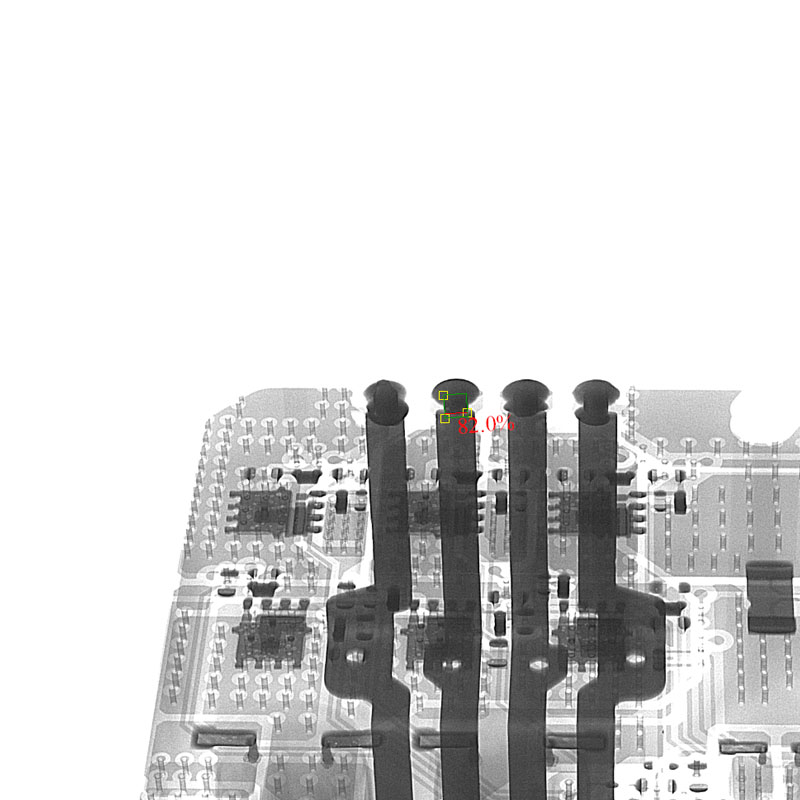
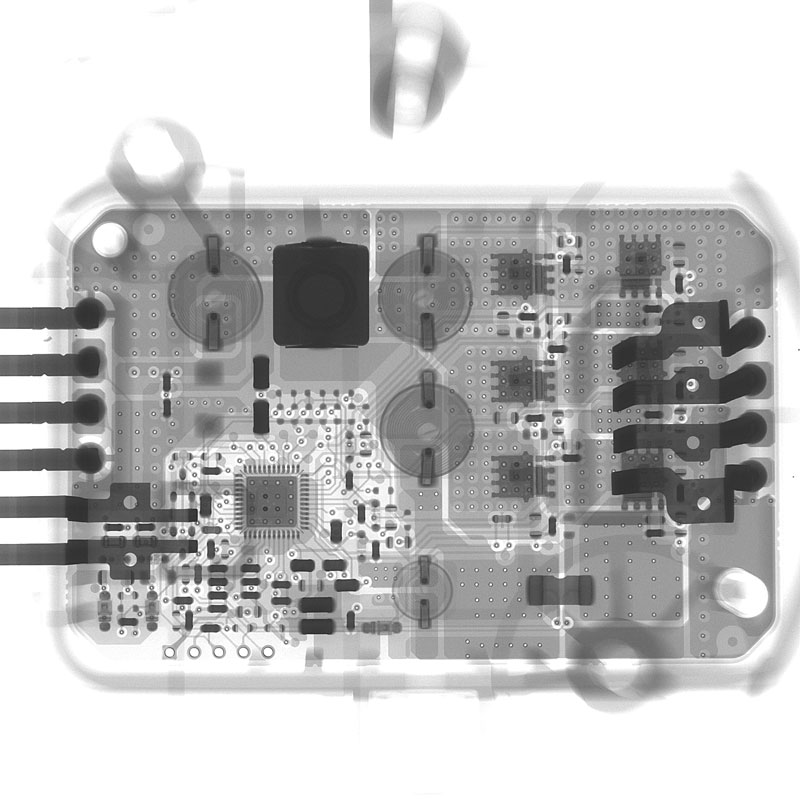
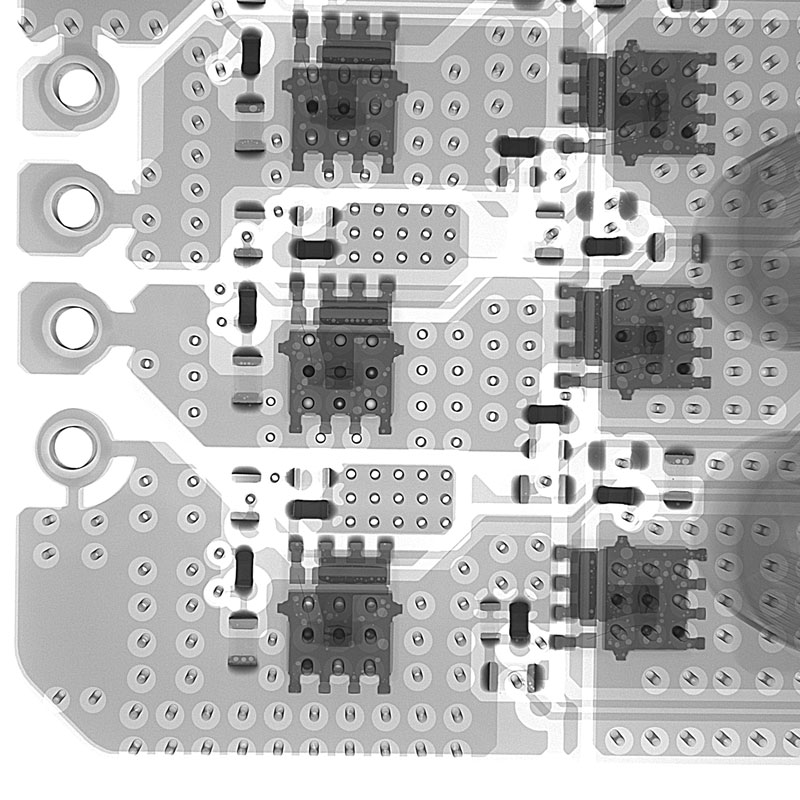
The fuel pump electronic control module is the neural center of the entire fuel system, responsible for precisely regulating pump speed and fuel pressure output. Its PCB is densely populated with through-hole components and SMT solder joints. Any voids, cold solder joints, or bridging defects may evolve into failures under high temperature and high vibration conditions—yet such defects are hidden beyond the reach of visual inspection and electrical testing.
The industrial X-Ray inspection system introduced by Rocket enables non-contact imaging of control modules using penetrating X-rays, clearly revealing the internal structure of every BGA solder ball and through-hole joint. This shifts the starting point of quality control from post-production electrical validation to the very formation stage of internal structures.
Core Value of X-Ray Inspection for Automotive Electronics Suppliers
Internal void ratio, offset, and solder bridging in BGA packages and through-hole components cannot be detected by visual inspection or AOI. X-Ray images directly present cross-sections through grayscale density differences, effectively avoiding large-scale recall risks.
X-Ray inspection data can be directly correlated with reflow soldering temperature profiles, flux usage, and other process variables, helping engineering teams shift from experience-driven to data-driven improvement of soldering yield.
More OEMs now require inspection evidence for critical processes. X-Ray image archives provide first-hand internal structure verification during technical reviews, PPAP submissions, and after-sales analysis.
Comparative X-Ray inspection quickly identifies differences in soldering structures between batches, controlling potential quality fluctuations at the mass production introduction stage.
The adoption of advanced inspection methods itself represents a commitment to technology investment. It signals that quality control extends deep into internal structures, not just surface-level inspection.
Notably, the value of X-Ray inspection for fuel pump electronic control modules goes beyond defect detection. More importantly, it establishes a quality language oriented toward internal structures—making previously invisible process conditions visible, measurable, and improvable.
High-standard automotive component manufacturing is never just about passing final tests, but about explaining why every internal detail meets the requirements. The introduction of industrial X-Ray inspection systems extends quality control boundaries from visible to penetrable, quantifiable, and traceable.