



Actual Video Footage of X-Ray Inline Inspection of SMT Mounting
- Pubdate 2026-04-17
Detailed Workflow of Inline X-Ray Inspection System
With the continuous advancement of electronic manufacturing processes, SMT components are evolving toward miniaturization and high density. Especially for bottom-terminated components such as FPC (Flexible Printed Circuit), BGA, CSP, and QFN, traditional AOI (Automated Optical Inspection), which only inspects surface appearance, can no longer meet stringent quality control requirements. At this point, the inline X-ray inspection system has become the core defense line for factories to break yield bottlenecks and prevent defective products from flowing out.
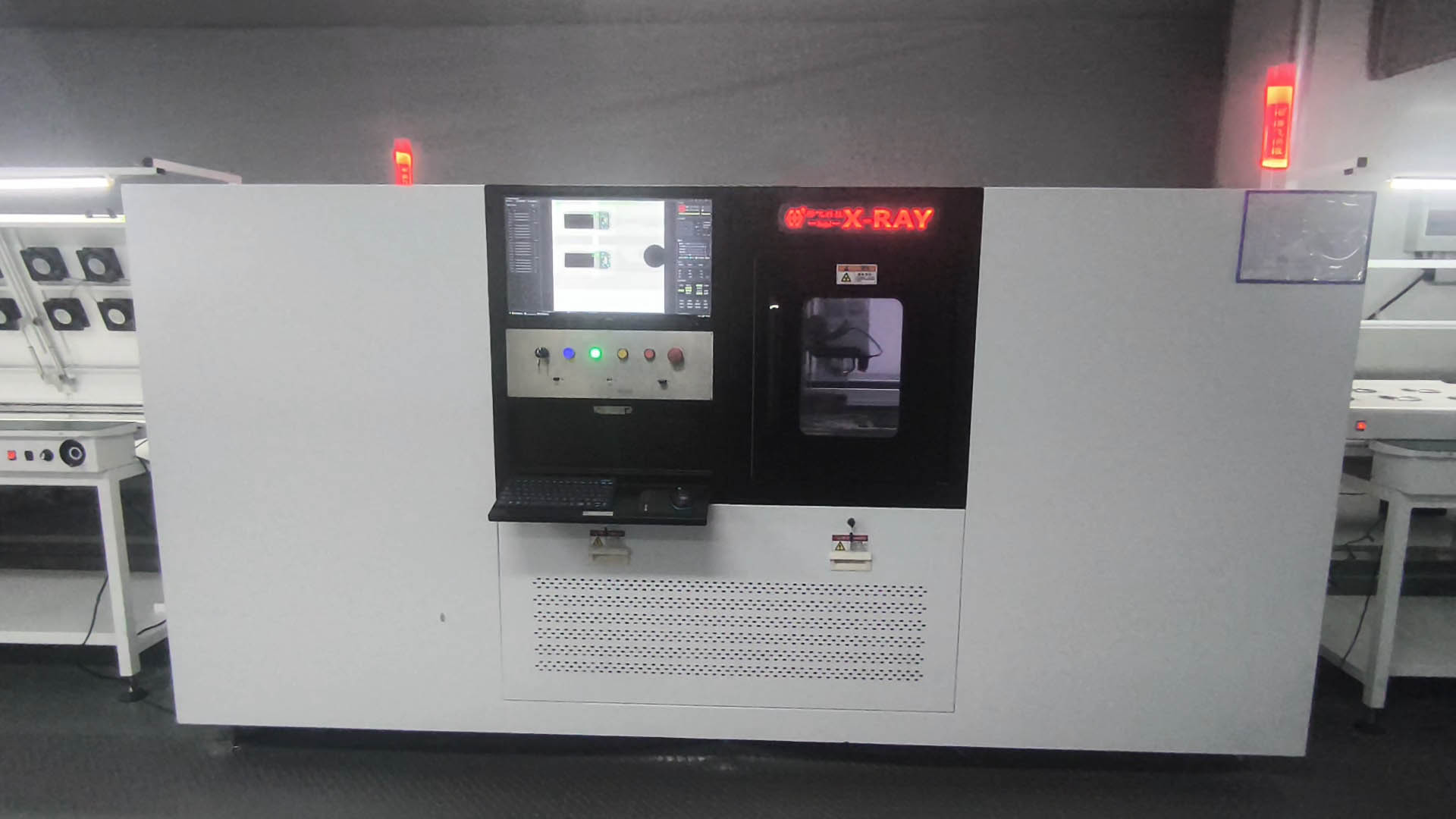 Figure 1: Full view of inline X-ray system in operation, seamlessly integrated into SMT fully automated production line
The greatest advantage of inline equipment lies in "fully automated operation without manual intervention." Through seamless SMEMA signal integration with upstream and downstream SMT equipment, it enables efficient inline fluoroscopic sampling inspection or 100% inspection. Next, we will break down the complete workflow of this system based on real production footage.
Stable Conveyance and Automatic Infeed Scanning
After the previous process (such as reflow soldering) is completed, the PCBA or FPC board is automatically transferred into the X-ray system via conveyor. For soft and easily deformable FPC boards, stability during infeed is critical. High-end inline X-ray systems are equipped with precision rail adjustment and anti-jam mechanisms to ensure even ultra-thin flexible boards or fixture-mounted carriers can be safely and accurately delivered into the inspection chamber.
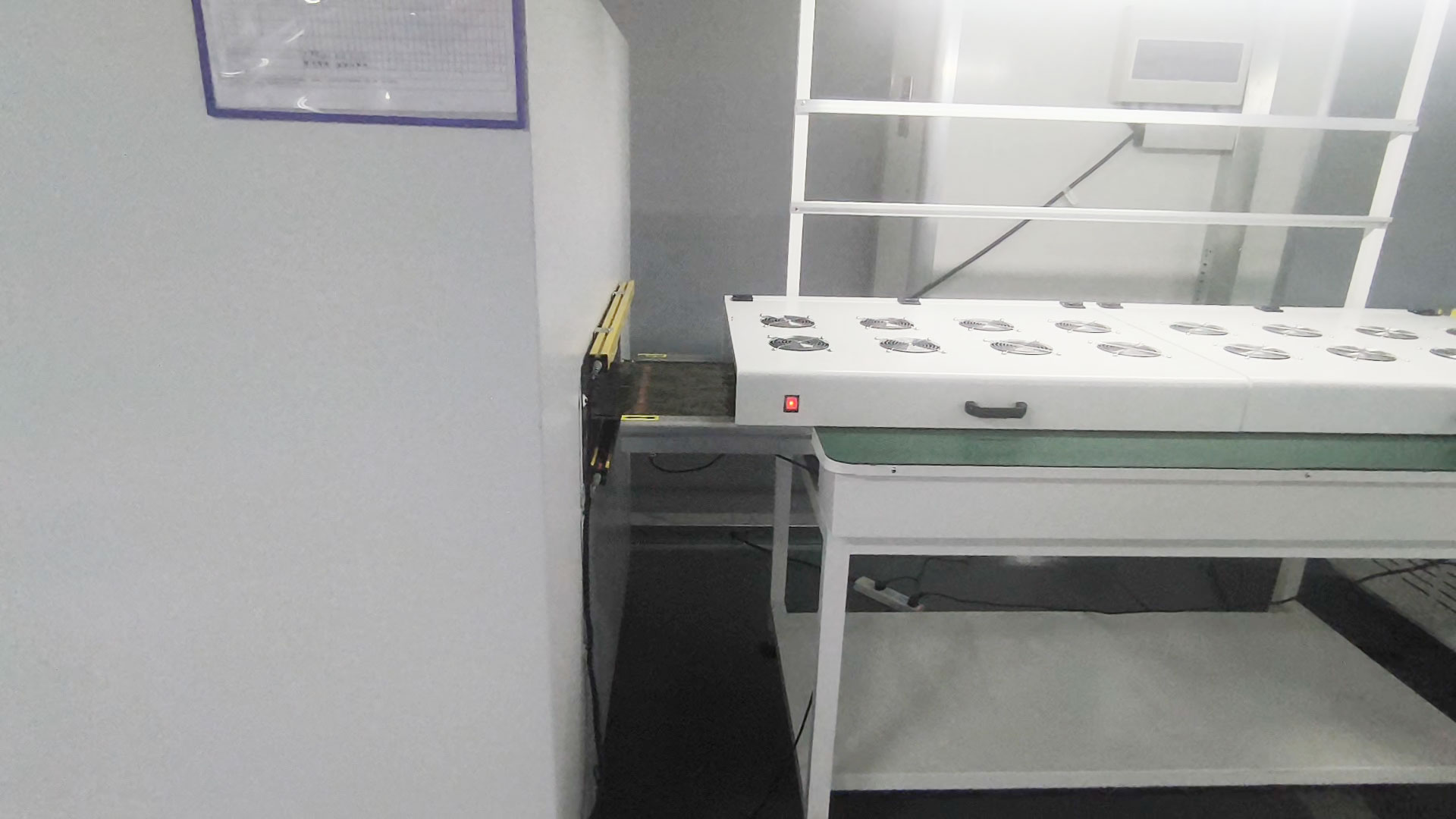 Figure 2: Actual infeed of inline X-ray system, conveyor smoothly transfers products into inspection
High-Voltage Penetration and Real-Time Image Acquisition
Once the product enters the fully enclosed, radiation-safe shielding cabinet, the conveyor system automatically clamps and positions it. The micro-focus X-ray tube emits X-rays from below, penetrating the PCBA and components, while the digital flat panel detector above captures images simultaneously—similar to performing a high-resolution medical CT scan on the circuit board.
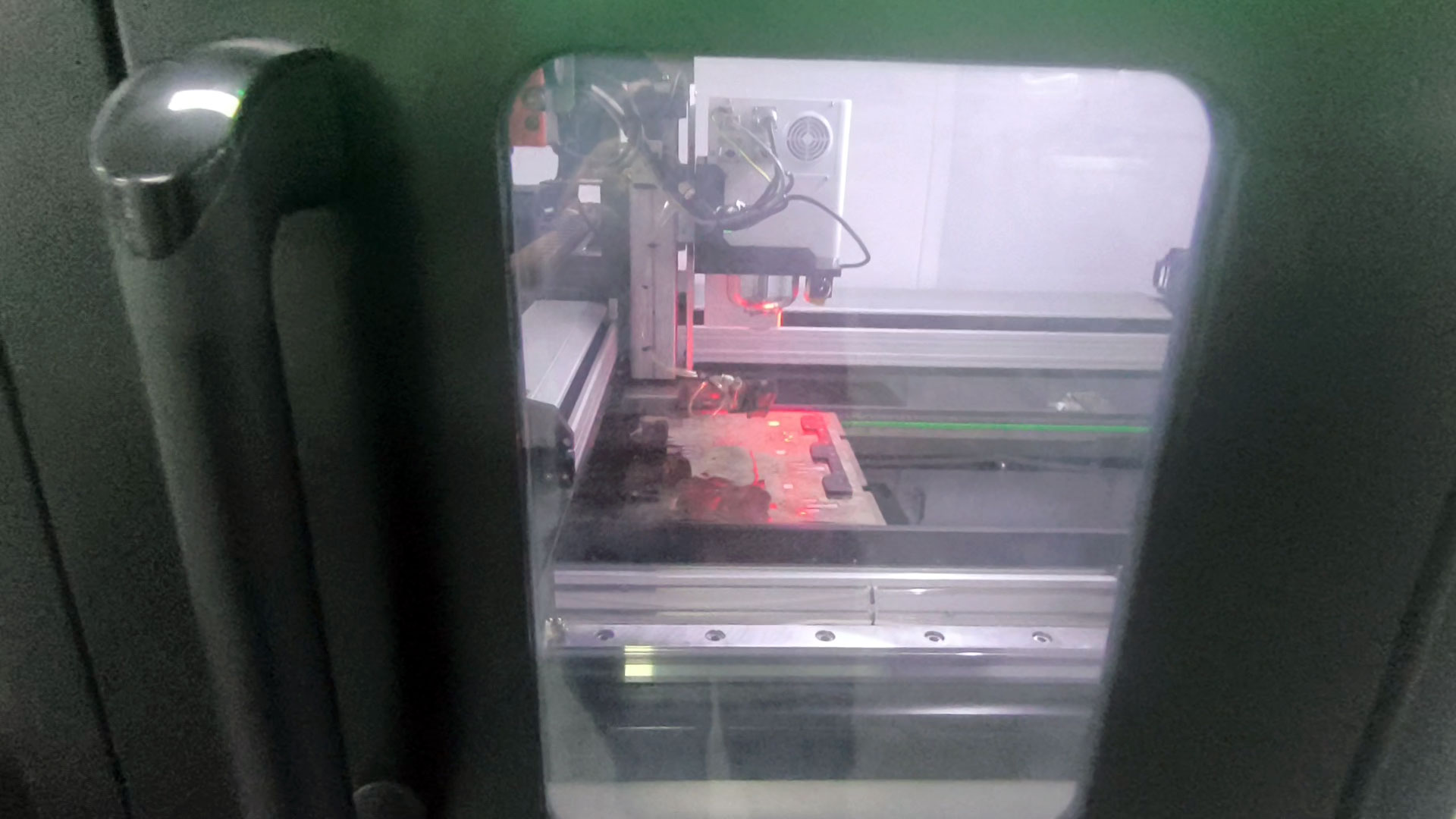 Figure 3: X-ray inspection in a sealed cabinet, capturing high-resolution grayscale images
AI-Powered Algorithms for Automatic OK/NG Judgment
This is the "brain" of the entire system. After acquiring real-time X-ray images, the built-in intelligent vision software performs high-speed analysis of solder joints. In the industry, OK (qualified) and NG (non-qualified) judgment typically follows international standards such as IPC-A-610, based on the following key criteria:
Void Ratio Calculation: For BGA and similar pads, the system automatically calculates the percentage of void area within the solder joint. Typically, a single void exceeding 25% or total void ratio exceeding 30% is classified as NG to prevent impact on conductivity and mechanical strength.
Solder Bridging and Short Detection: Detects whether adjacent pins are shorted due to solder paste overflow during reflow.
Cold Solder and Missing Solder Detection: Accurately identifies insufficient solder volume or cold joints through grayscale differences.
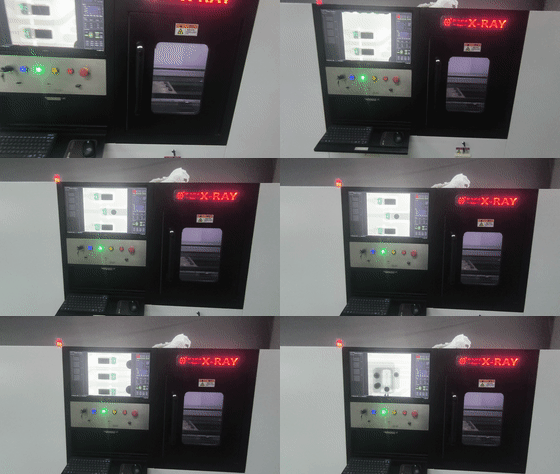 Figure 4: Real-time SMT inspection, software calculating void size and distribution
Especially for multi-region and large-area FPC boards with fine-pitch SMT components, the inline X-ray system can automatically move the inspection stage (X/Y axis) or adjust the X-ray tube angle through pre-programmed CNC inspection paths, achieving full coverage inspection of different regions of interest (ROI).
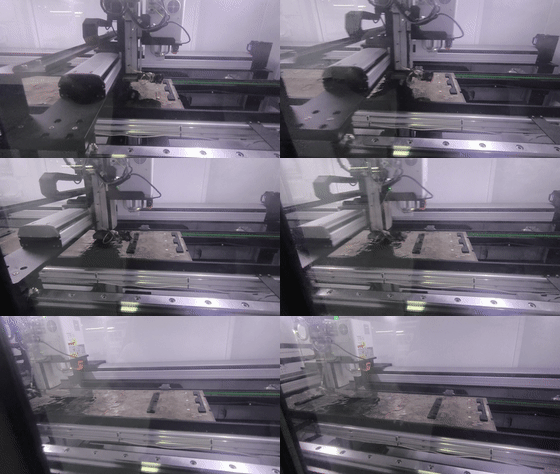 Figure 5: Fully automatic inspection—camera scanning different solder joint areas of FPC
Intelligent Sorting and Automatic Outfeed to Next Process
The inspection and judgment of a full board or specific area can be completed within seconds. Once the result is generated:
1. OK Products: The outfeed gate of the inline X-ray system opens automatically, and the conveyor smoothly transfers the FPC board to the next process, such as functional testing (FCT) or packaging.
2. NG Products: The system triggers an alarm and sends signals to downstream equipment (such as a router or buffer system), automatically diverting defective boards into an NG bin for re-inspection or rework. This interception mechanism ensures that only zero-defect products are delivered to customers.
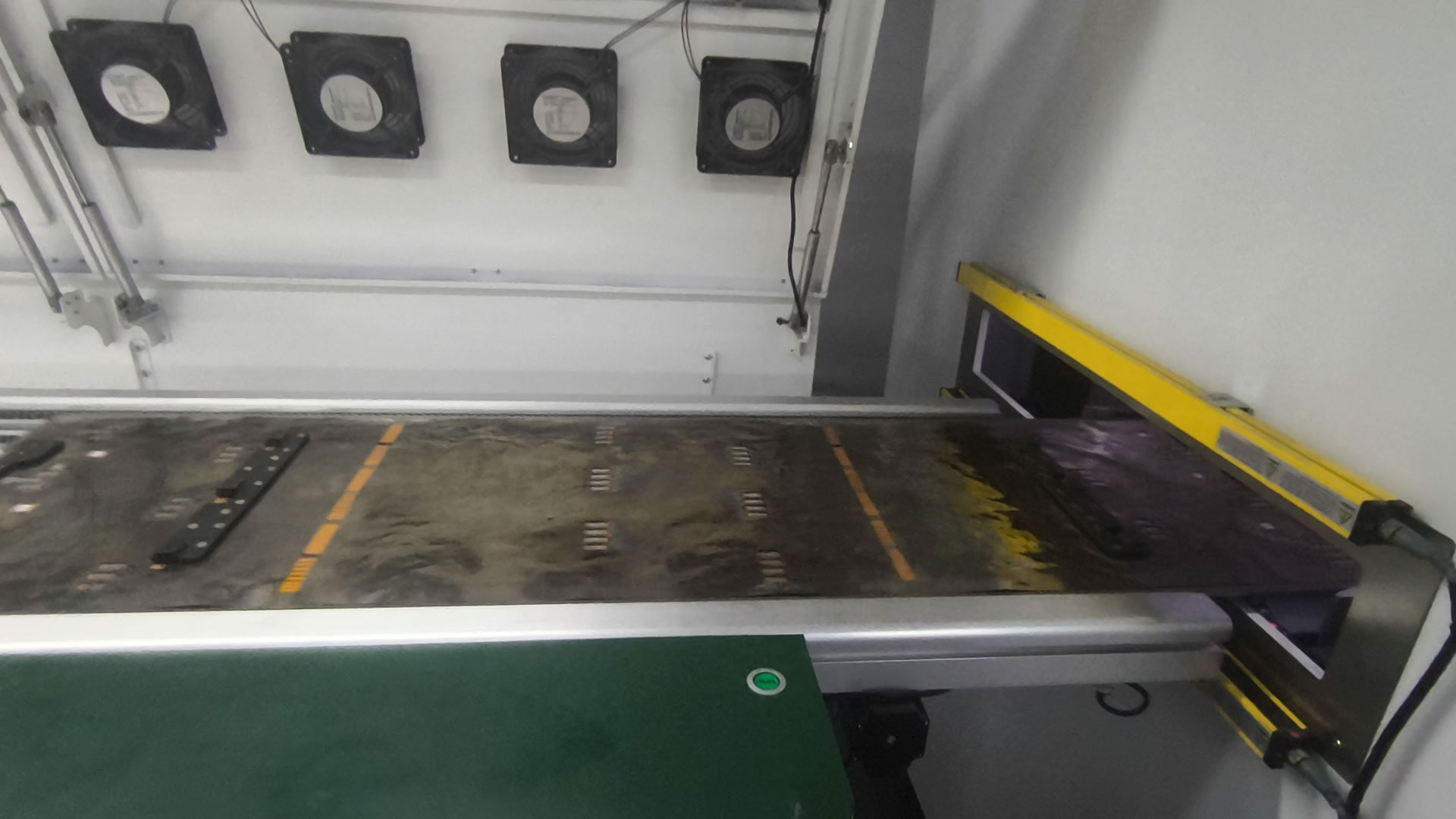 Figure 6: Inspection completed, OK boards automatically transferred to next process
A Key Investment to Enhance Core Manufacturing Competitiveness
From the above real-world workflow, it is clear that introducing a professional inline X-ray inspection system not only significantly reduces manual handling costs associated with traditional offline inspection, but also eliminates human visual judgment errors. For OEMs and brand owners in automotive electronics, medical devices, and high-end consumer electronics, this system serves as a powerful demonstration of strict quality control capability.