



No shell‑opening, view the pulp
3D X‑ray/CT detection technology puts an end to the durian "blind‑box" era
- Pubdate 2026-08-27
1. Industry Background: Why the Durian Industry Needs "X-ray Vision"
1.1 A Fast-Growing Market Demands Higher Quality
In recent years, as cross-border cold-chain logistics have matured, the durian has become one of the highest-value fresh fruit import categories, with steady volumes arriving from major producing regions such as Thailand, Vietnam, and Malaysia. At the same time, premium varieties such as Musang King and Black Thorn are increasingly sold as gift boxes and boutique single fruits, and consumers are more willing than ever to pay for quality. Market expectations for consistency are shifting from merely "edible" to "controllable and predictable."
1.2 Four Limitations of Conventional Inspection
Unpredictable flesh yield: durians are priced per fruit or per box, yet flesh yield varies considerably with variety, shape, and ripeness. A thick shell does not always mean more flesh — paying a premium price "for a box of shell" happens more often than anyone would like;
Hidden internal defects: unripe "hard-flesh" fruit, over-fermentation, localized rot, insect tunnels, and hollow cavities leave almost no visible external signs. Conventional inspection relies on judging shape, thorns, aroma, and the sound of shaking — and misses are inevitable;
No quantitative basis for grading: manual grading standards vary by grader and cannot be reproduced, so premium fruit fails to command premium prices while substandard fruit erodes the reputation of entire batches;
Difficult trade accountability: quality problems often surface only when containers are opened on arrival, leading to disputes over evidence and liability, which raises transaction costs.
The core contradiction: a durian's value lies inside the shell, yet the industry's pricing, grading, and trust mechanisms are built entirely on outside-the-shell information. Whoever can "see" the quality inside first holds the power of quality-based pricing.
2. The Solution: Wahfei 3D X-ray/CT Durian Inspection System
2.1 System Overview
Wahfei's 3D X-ray/CT durian inspection solution is built around the HF-XT1000 X-ray inspection system, and distills the inspection workflow into five steps: Load whole fruit → 3D/CT scan → Data analysis → Quality assessment → Premium fruit sorting. The intact fruit goes directly onto the machine — no cutting, no peeling. The process leaves the fruit undamaged and fully sellable, delivering on the promise of "see the flesh first, then set the value."
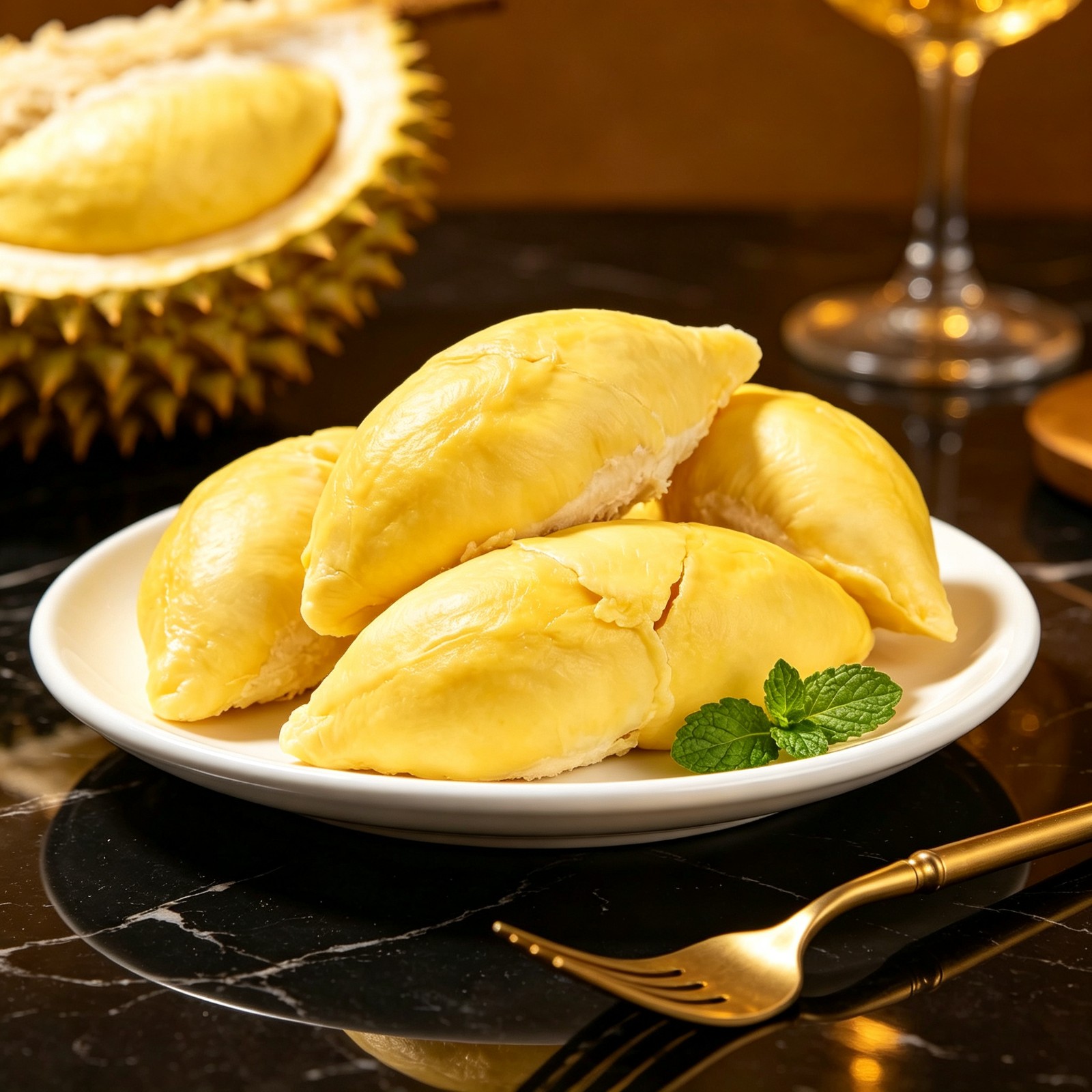
Figure 1: Undamaged Durian Fruits—Result Demonstration
2.2 Four Core Capabilities
| Precision Imaging High-resolution cross-sectional images clearly reveal internal structure and flesh distribution | Intelligent Analysis Automatically identifies the number and distribution of flesh chambers and quantifies fill ratio |
| High Throughput Single-fruit inspection completed in tens of seconds, matching batch-processing rhythms | Traceable Data Inspection images and data are automatically archived for traceability and re-inspection |
3. How It Works: How X-rays "See Through" a Durian
As X-rays pass through an object, materials of different densities absorb them to different degrees. The shell, flesh, seed, and internal cavities of a durian differ markedly in density, producing clearly distinguishable grayscale contrast in the radiographic image — this is the physical basis of "seeing through" a durian.
Computed Tomography (CT) goes a step further: the X-ray source and detector rotate around the fruit, continuously collecting projection data from multiple angles. Reconstruction algorithms then generate a series of cross-sectional images and build a complete three-dimensional structural model. The entire process is non-contact and non-destructive — from loading to completed imaging, a single durian takes only tens of seconds.
Based on the cross-sectional images and 3D model, the inspection system can:
Present the number, distribution, and plumpness of flesh chambers layer by layer;
Quantitatively calculate the volume proportions of flesh, shell, and cavities to scientifically assess fill ratio and flesh-yield potential;
Identify internal defects such as unripe hard flesh, rot, insect tunnels, and hollowing based on grayscale and structural features;
Replace human experience with quantified metrics, enabling reproducible, standardized intelligent grading.
4. The Inspection Workflow: From Whole Fruit to Quality Verdict
① Load Whole Fruit | ② 3D/CT Scan | ③ Data Analysis | ④ Quality Assessment | ⑤ Premium Fruit Sorting |
4.1 Load the Whole Fruit — No Preparation Needed
The durian requires no cutting or peeling. An operator simply places the intact fruit on the system's stage, closes the protective door, and inspection begins — preserving the fruit's integrity and freshness to the greatest extent possible.
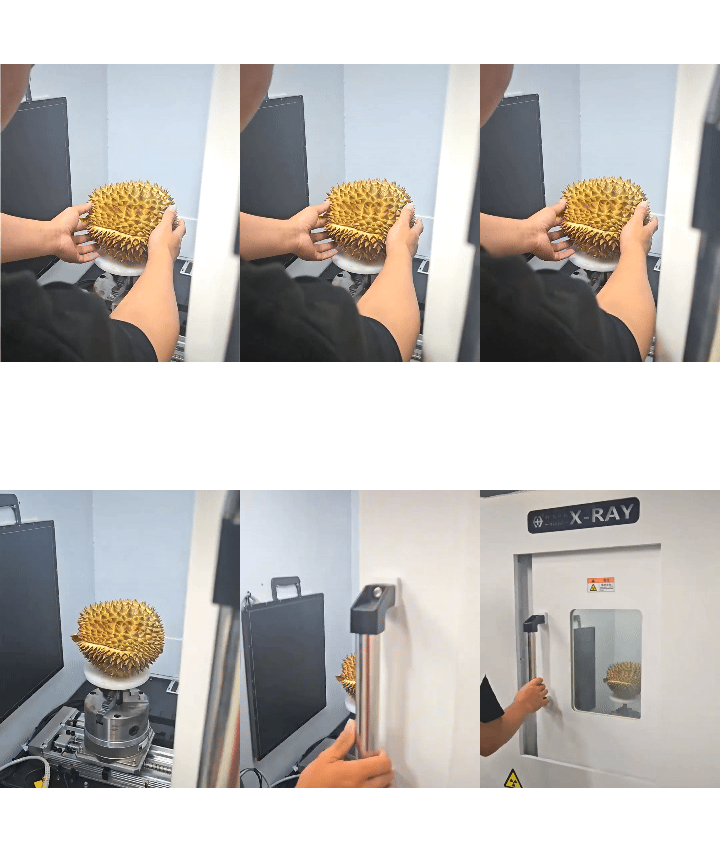
Figure 2: Loading the whole fruit — the durian is placed directly onto the stage, with no cutting or preparation of any kind
4.2 Rotational Scanning, Cross-Sectional Imaging
During inspection, the stage rotates at a constant speed while the system collects projection data from multiple angles and displays the perspective image in real time. Inside the spiky shell, the contours of the flesh emerge layer by layer as the fruit turns.
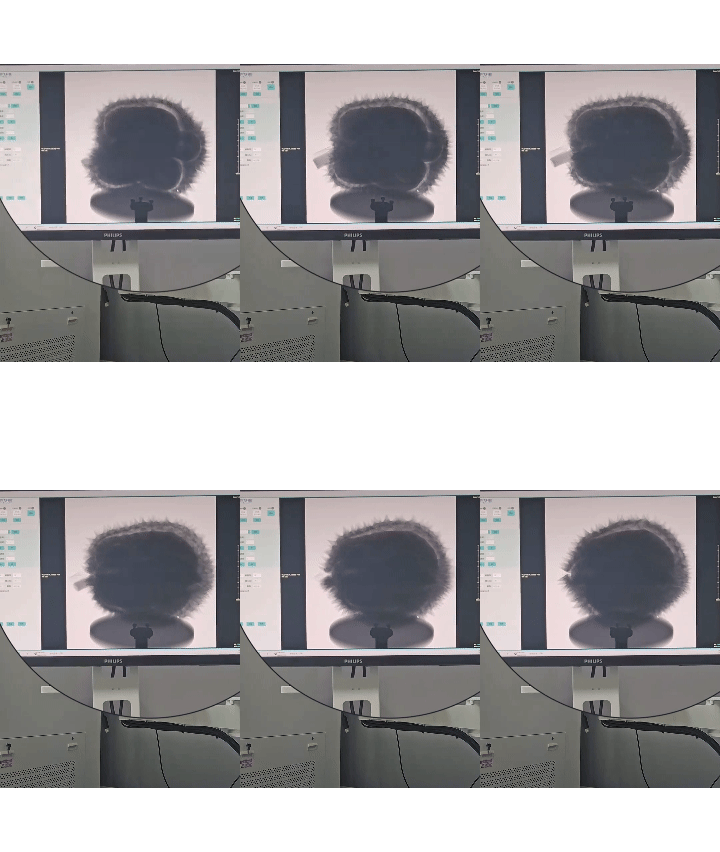
Figure 3: A close-up of the durian's cross-sectional image during rotational scanning — the grayscale contrast between flesh and shell is clearly distinguishable
4.3 3D Reconstruction and Quality Assessment
The scan data is reconstructed in 3D at the workstation: flesh distribution, fill ratio, and internal structure are presented both as cross-sectional images and as a volumetric model. How many chambers the flesh has, whether it is plump, and whether cavities or defects exist — all can be read quantitatively. Combined with the analytical results, the system performs quality assessment and grading for each fruit: premium fruit goes to high-end channels, while problem fruit is removed before it ever reaches the market, putting measurable data behind every grading and pricing decision.
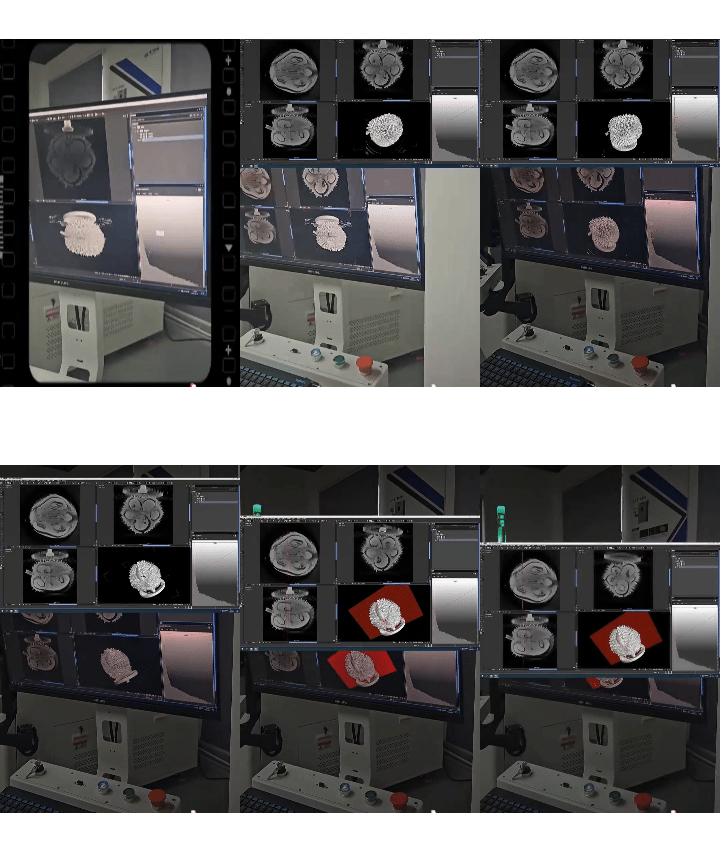
Figure 4: The CT 3D reconstruction and analysis interface on the dual-screen workstation — the durian's internal structure rendered as a complete volumetric model
5. Application Scenarios and Customer Value
| Scenario | Conventional Pain Point | 3D X-ray/CT Value |
|---|---|---|
| Plantations & Exporters | Experience-based grading mixes premium and ordinary fruit in the same lots, capping price premiums | Grade and price by flesh yield and internal quality — premium fruit earns premium prices |
| Buyers & Traders | Arrival inspection amounts to a gamble — frequent quality disputes and difficult loss settlements | Batch sampling or full inspection backed by images and data, reducing blind-buy risk and trade disputes |
| Brands & Retailers | Consumers treat every durian as a lucky dip, undermining repeat purchases and word of mouth | Inspection-image certificates for premium gift boxes and single fruits — "see the flesh before you buy" builds consumer trust |
| Industry Level | No common quality language across the chain, with information asymmetry between upstream and downstream | Moves durian grading from the "era of experience" to the "era of data," accelerating the industry's intelligent upgrade |
6. Manual Experience vs. 3D X-ray/CT Intelligent Grading
| Dimension | Conventional Manual Inspection | 3D X-ray/CT Non-Destructive Inspection |
|---|---|---|
| Method | Judging shape, thorns, aroma, and shaking sound | Load the whole fruit; automatic X-ray/CT scanning and analysis |
| Fruit condition | Unopened, but only indirect external information is available | Unopened and undamaged — direct access to internal structural information |
| Basis of judgment | Subjective experience, varying from grader to grader | Cross-sectional images and quantified metrics — objective and reproducible |
| Defect detection | Unripe hard flesh, rot, insect tunnels, and hollowing are extremely hard to spot | Identified and flagged based on grayscale and structural features |
| Flesh-yield assessment | Cannot be predicted | Fill ratio quantitatively calculated, providing a basis for grading and pricing |
| Data retention | No images or data records | Fully archived — supports traceability, re-inspection, and dispute resolution |
| Best suited for | Small batches relying on senior graders | Batch operations, high-end channel quality control, cross-border trade verification |
7. Frequently Asked Questions
Conclusion: Making Every Durian Worth Its Price
A durian's value should never be a gamble revealed only after the shell is cracked open. Wahfei's 3D X-ray/CT inspection technology uses a beam of X-rays to illuminate the "information black box" beneath the spiky shell — making durian quality visible, quantifiable, and traceable.
When inspection data becomes a shared language across the industry chain, "making every durian worth its price" is no longer a slogan but an implementable industry standard. Wahfei looks forward to partnering with fruit enterprises, traders, and inspection institutions to drive the quality upgrade of the durian industry together.