Ball Grid Array Rework: When to Rework and How to Verify the Result
Ball Grid Array Rework: When to Rework and How to Verify the Result
Ball grid array rework is the controlled removal and replacement or reprocessing of a BGA component on a printed circuit assembly. It may be considered when a documented defect or engineering need justifies the work, but rework can introduce thermal and mechanical stress. The decision should account for board condition, product requirements, repair authority, and the evidence needed to verify the outcome.
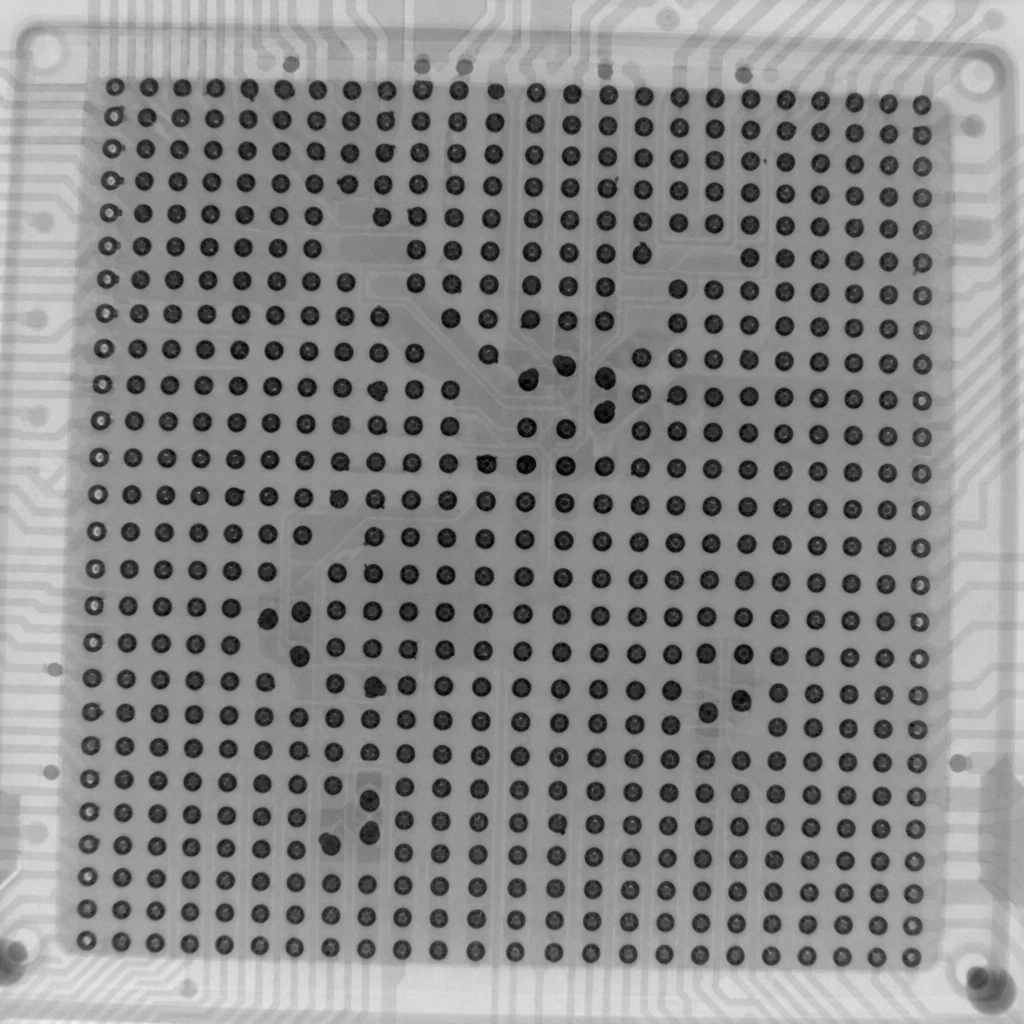
verified BGA rework station or post-rework inspection image
When is BGA rework appropriate?
BGA rework may be considered for a confirmed assembly nonconformance, component replacement, or an approved engineering change. Before work begins, the team should identify the failure, determine whether the board is eligible for rework, and check customer, product, and internal requirements. A board that can be made to function is not automatically restored to its original drawing or reliability requirements.
IPC-7711/7721 covers procedures for rework, modification, and repair of electronic assemblies. IPC describes it as procedural guidance; the governing requirements depend on the contract, product class, and controlled documentation. The applicable revision and work instructions should be confirmed by the organization responsible for the assembly.
What risks should be assessed before removal?
Localized heating can affect the BGA, nearby components, PCB laminate, pads, solder mask, and internal board structure. The risk depends on the assembly construction, materials, prior thermal history, and equipment setup. A universal maximum number of rework cycles should not be assumed; applicable specifications and product-owner rules control.
Confirm the board revision, component identity, and authorization for the operation.
Review moisture handling and component temperature limits from the relevant suppliers.
Use a documented, qualified rework process with suitable thermal profiling and board support.
Inspect the exposed site for pad or laminate damage before installing a replacement.
Record the operation, materials, operator, and inspection evidence against the board or lot.
How should a BGA rework result be verified?
Verification should match the failure mode and acceptance criteria. X-ray inspection can review selected internal features such as solder-ball pattern, bridging, and some void indications. Electrical or functional testing can check defined circuit behavior. Neither method alone proves every aspect of workmanship or long-term reliability.
Where X-ray is used, capture images under recorded conditions and compare them with the product’s acceptance criteria and, where practical, a baseline or known-good sample. A two-dimensional projection may not resolve every interface condition. If the image is ambiguous or the failure mechanism requires more evidence, engineering may need additional analysis, such as cross-sectioning or another appropriate method.
What should the rework record contain?
A traceable BGA rework record should identify the board or lot, component reference, reason for rework, approved procedure and revision, equipment and relevant process records, materials used, operator and date, cycle history if required by the governing process, and post-rework inspection and test results. Any repair that changes the board from its released design should follow the required approval path.
Ball Grid Array rework is not complete when the replacement component is installed. It is complete only when the authorized work is documented and the required inspection and electrical evidence support the disposition decision. X-ray can contribute to that evidence, but it should not be presented as a universal pass/fail guarantee.
Frequently asked questions
Can every BGA be reworked? No. Feasibility depends on package and board condition, product requirements, available process capability, and authorization.
Does X-ray prove a reworked BGA is good? No. It provides image-based evidence about selected internal features. Electrical tests and other checks may also be required.
Does IPC-7711/7721 impose one maximum number of rework cycles? The IPC-7711B/7721B text states that it does not limit the maximum number of rework, modification, or repair actions. Product-specific requirements may still impose limits, and repeated thermal exposure warrants engineering assessment.
Should a replaced BGA always receive X-ray inspection? The inspection plan should be set by the applicable product and customer requirements. X-ray is useful when internal joint features need evaluation, but the required coverage is not universal.
About us
Shenzhen Wahfei Technology Co.,Ltd. manufactures industrial X-ray inspection equipment. A post-rework inspection application should be confirmed with representative assemblies and agreed criteria.
Phone: +86 189 0297 8624 | Email: szwahfei@gmail.com | Website: https://www.szwahfei.cn/