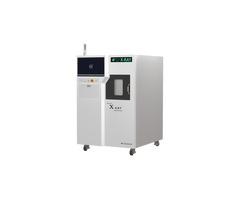
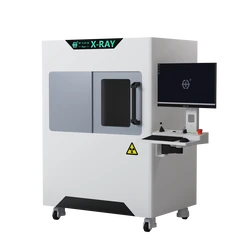
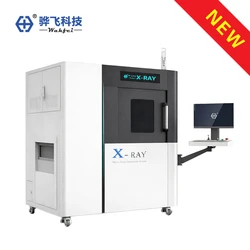
x-ray inspection machine: Define the Inspection Problem Before Choosing Equipment
Choosing an x-ray inspection machine is more useful when the discussion starts with the part and the decision to be made, not a broad list of machine features. Manufacturers and buyers can first describe what is inside the sample, what makes it difficult to inspect, and what evidence would answer the quality question. That shared definition helps determine whether a proposed system is a practical match.
Start with the structure
Describe the region of interest and the structures around it. A joint hidden beneath a package, a layered assembly, and a thick section of material present different imaging conditions. Note the location, approximate dimensions, orientation, and nearby features that may overlap the area of interest in a projection. If the target can move or rotate, include that in the sample description.
The sample itself also sets limits. Share whether it is a finished product or a prepared coupon, how many samples are available, whether destructive sectioning is allowed, and whether the item must remain intact. Include practical constraints such as part size, fixture access, surface condition, and any restrictions on handling. These are not procurement checklist items; they define the conditions under which a meaningful image can be obtained.
Turn the concern into a validation question
Replace a general request for “better visibility” with a question that can be reviewed on actual samples. For example: can the feature be distinguished from surrounding material at the required location? Can the image show its position or relative shape well enough for the intended review? What known-good and known-defect samples are available to compare? Agree in advance on what a useful result looks like and who will judge it.
A sample evaluation should use representative parts and realistic positioning. It can reveal whether overlapping structures, thickness, or orientation limit contrast, and whether a different view or imaging approach is worth evaluating. The purpose is to answer the defined question, not to imply that one configuration will resolve every defect.
Shenzhen Wahfei Technology Co.,Ltd. recommends aligning the inspection question, sample constraints, and acceptance criteria before comparing proposed equipment. A focused validation gives both sides a clearer basis for discussing fit, limitations, and next steps.
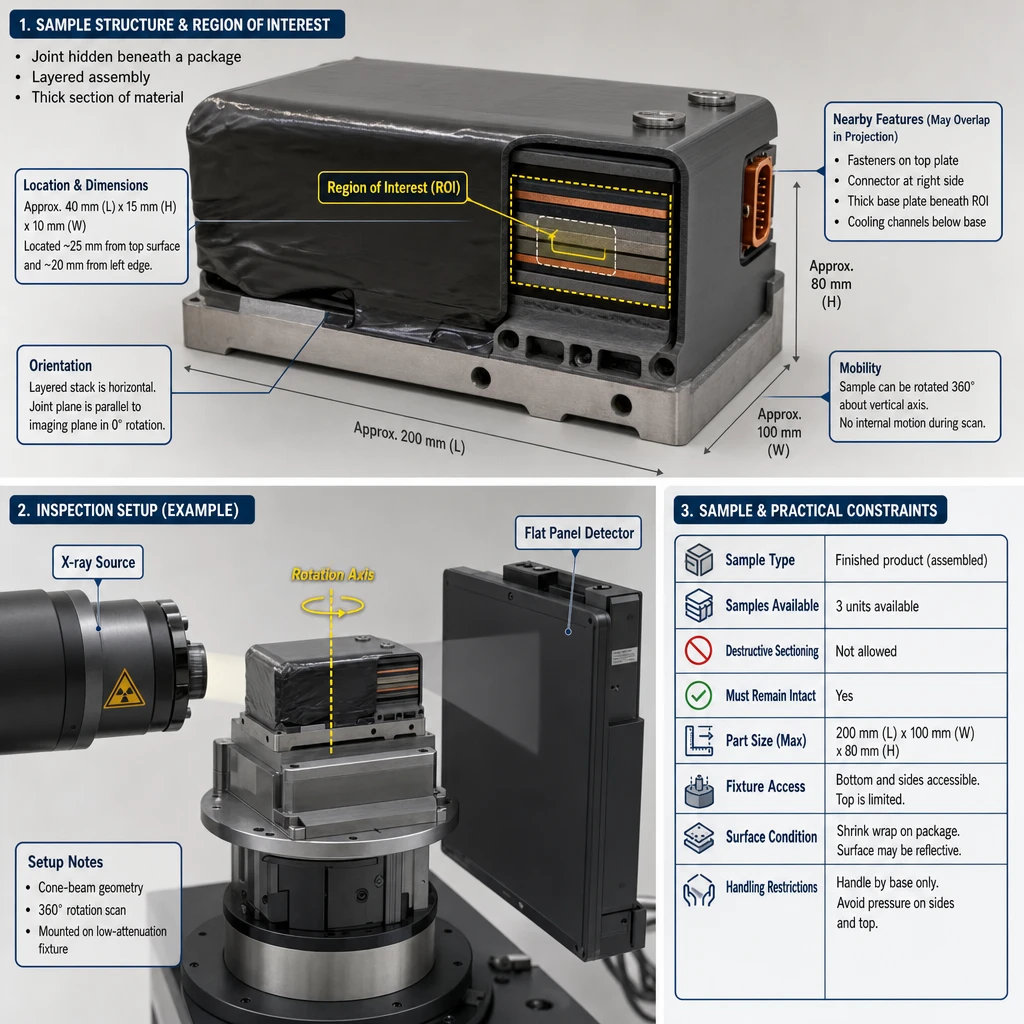
Sample structure or inspection setup.