



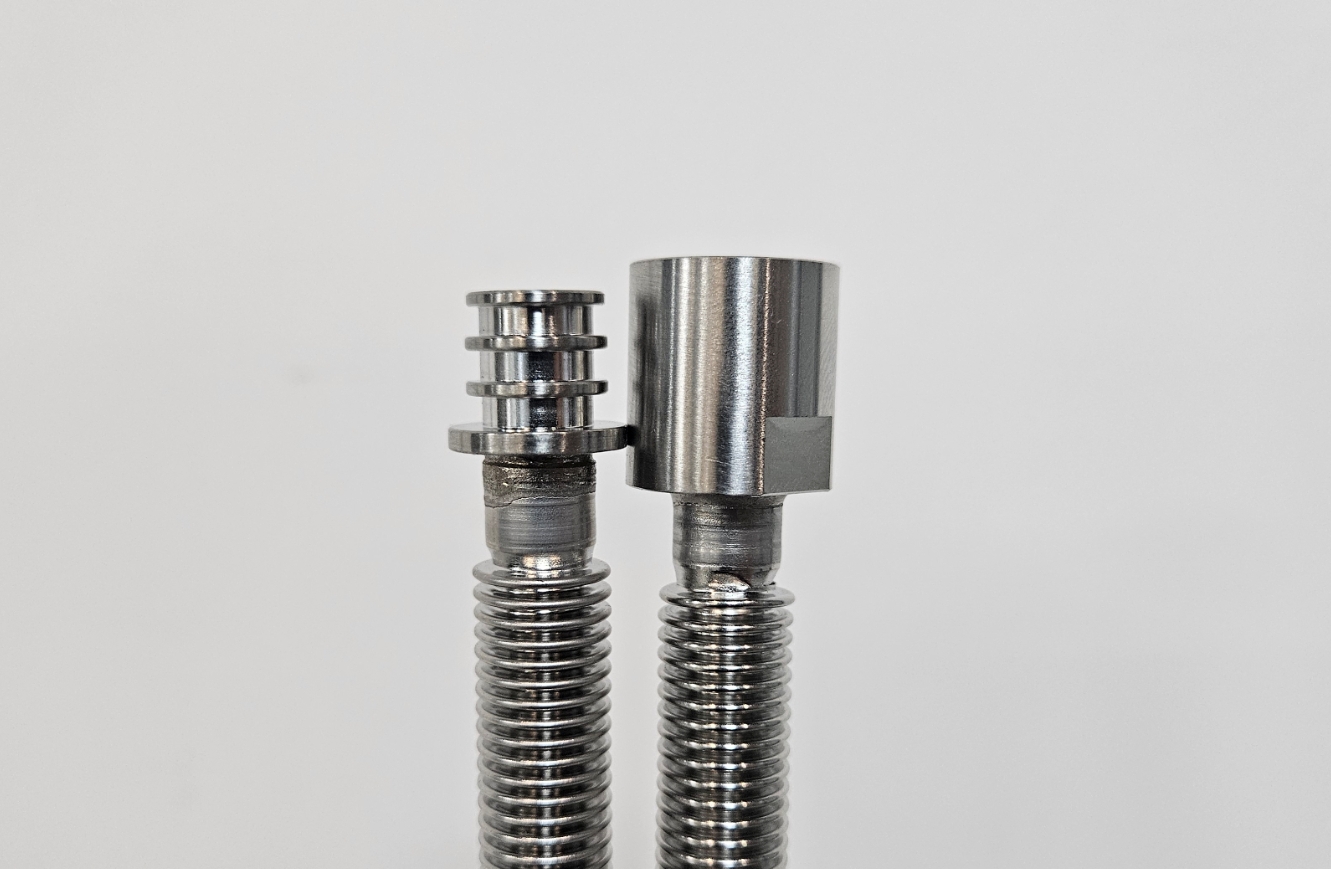
X-Ray Inspection of Corrugated Hose Welds
As a critical flexible connector in industrial piping systems, the weld quality of bellows directly impacts the safety and reliability of the entire system. This paper will delve into how X-ray non-destructive testing technology can be utilized to accurately identify potential defects in the longitudinal welds and end joint connections of bellows.
View More
2026-01-24
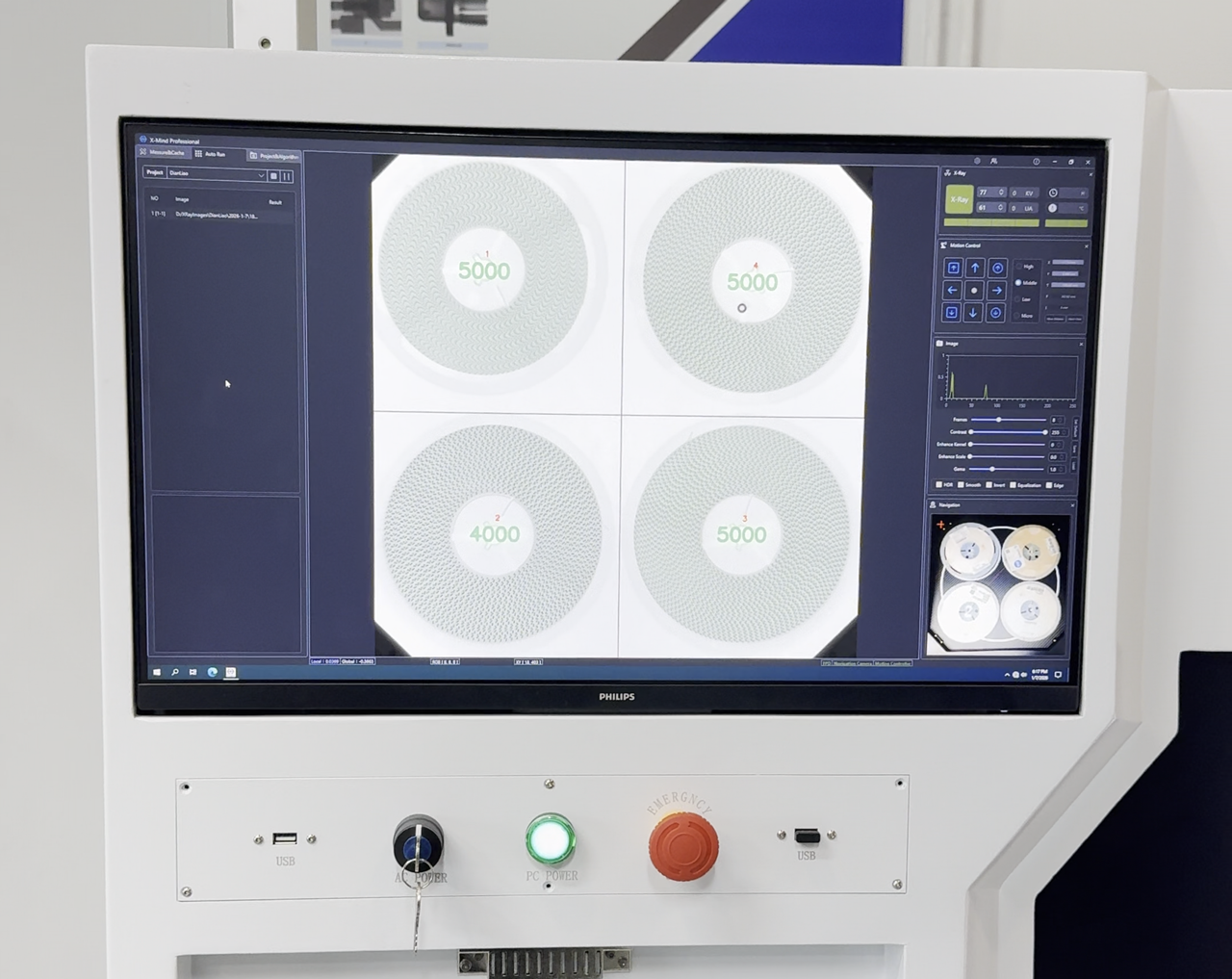
X-Ray Component Counting & Inspection Combo Machine — Official Operation Guide
In electronic manufacturing, SMT incoming inspection, and semiconductor packaging processes, X-Ray inspection equipment does more than simply “see inside structures.” It directly affects material counting accuracy, inspection efficiency, and the stability of downstream processes. To address the issues of low efficiency, high error rates, and the inability of traditional manual counting to simultaneously detect internal defects, integrated X-Ray solutions that combine material counting and inspection are increasingly becoming standard equipment for many enterprises.
View More
2026-01-23
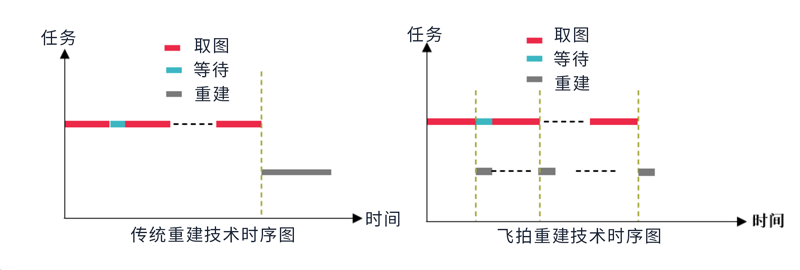
Detailed Explanation of Microfocus X-Ray CT 3D Reconstruction Technology
In the electronics manufacturing industry, the detection of internal product defects has always been a crucial part of quality control. Traditional 2D X-Ray inspection can only provide a flat projection, making it impossible to accurately locate the three-dimensional position of defects. The emergence of microfocus X-Ray CT tomography and 3D reconstruction technology has completely changed this scenario—it can reveal the internal structure of products layer by layer, much like "slicing a watermelon," exposing hidden defects such as solder voids, cracks, and foreign objects that were previously undetectable.
View More
2026-01-20
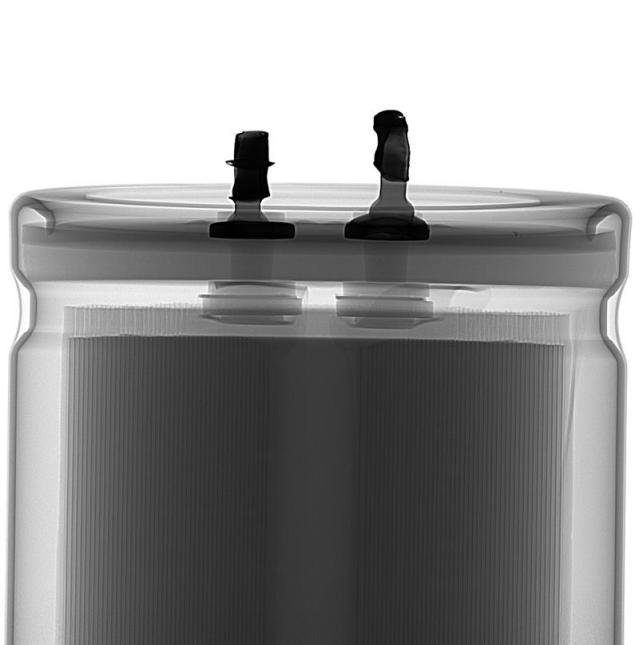
X-Ray Inspection System Applications in Various Industrial Products
Covering IGBTs / PCBA / connectors / semiconductor packages / lithium batteries / wires / LEDs / diamonds / heat pipes, etc.
View More
2026-01-17
The Mandatory Final Check: X-Ray for Zero-Defect PCBA Manufacturing
Can't inspect hidden solder joints? X-Ray inspection is your final quality gate. Learn how it visualizes BGA balls, measures voiding, and prevents costly escapes in network, security, and industrial control hardware before shipment.
View More
2026-01-16
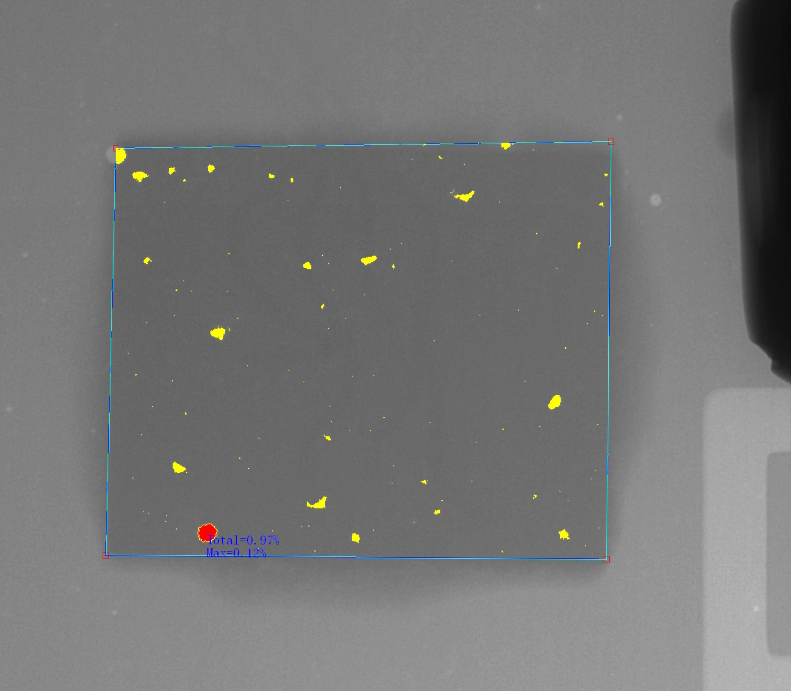
X-Ray Automated Inspection for Internal Product Defects - Solving Inspection Challenges for BGAs, IGBTs
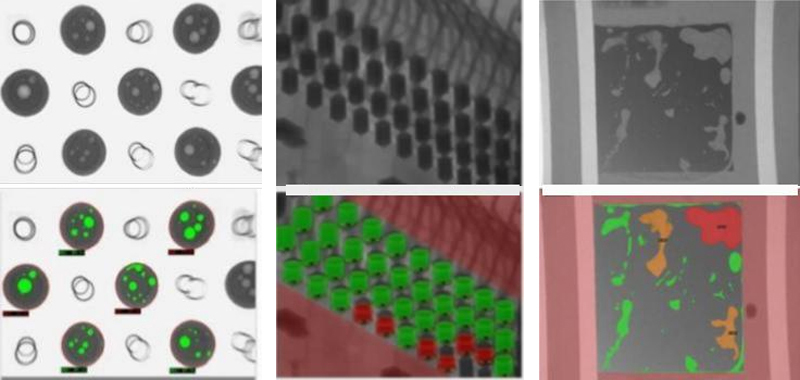
Simple operation allows even non-technical users to get started quickly. One-click detection identifies internal defects such as BGA solder joint failures, IGBT bubbles, and PCB solder bridges. Boost inspection efficiency with MES system integration to reduce scrap rates and labor costs.
View More
2026-01-15
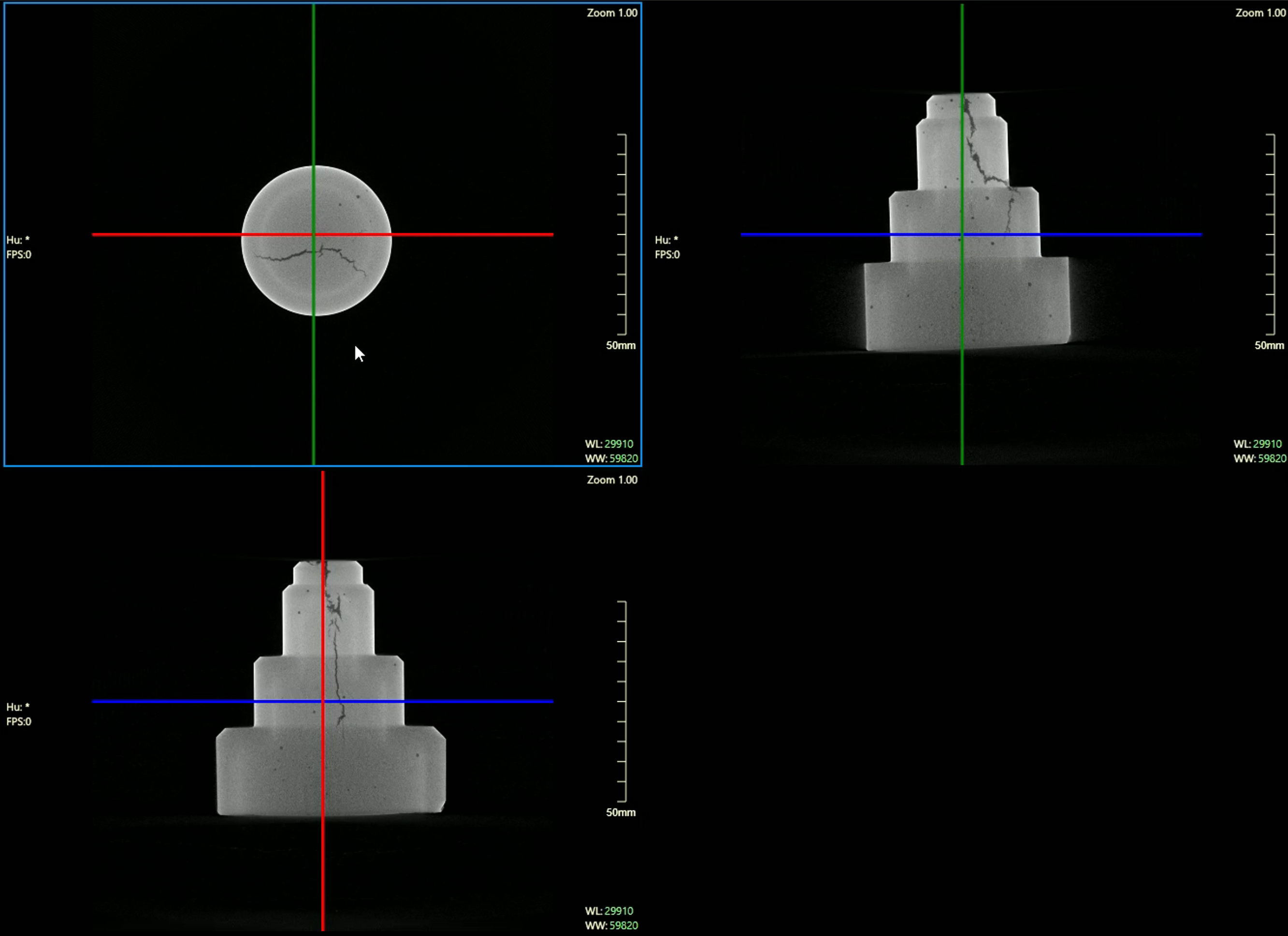
X-Ray CT Inspection of Silicon Carbide Cracks and Inclusions
Unlike the stacking effect of conventional radiographic images, 3D CT (Computed Tomography) technology uses 360-degree rotational imaging combined with algorithmic reconstruction to perform “layer-by-layer slicing” analysis of SiC wafers and power devices with micron-level precision.
View More
2026-01-06
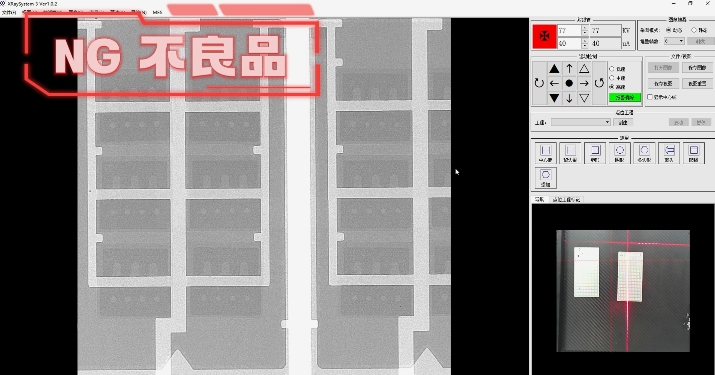
Industrial X-Ray Inspection for LED Eutectic Solder Bridging
In high-end LED packaging processes, eutectic bonding is widely adopted for its excellent thermal conductivity and long-term reliability. However, as chip dimensions continue to shrink, process control becomes exponentially more challenging. Solder bridging can cause electrical short circuits, while voiding leads to thermal dissipation failure. These defects, hidden beneath the chip interface, are among the primary causes of latent product failure. When dealing with micron-level internal defects, high-penetration, high-resolution X-Ray inspection technology becomes the critical safeguard for outgoing product quality.
View More
2025-12-29
X-Ray Inspection of BGA Defects | Video Demonstration
Wahfei's X-Ray inspection system is specifically designed for this purpose. The system offers real-time, off-axis X-Ray imaging, specially tailored for the inspection of PCBA (Printed Circuit Board Assembly) and array-type devices. It is suitable for use both in production lines and in failure analysis laboratories. The sample can be rotated 360° and supports large tilt viewing angles; combined with an intuitive software interface, it enables operators to clearly observe and identify even the most challenging defect types.
View More
2025-12-27

Industrial X-Ray Inspection for SMD and FPC Assemblies with Hidden Solder Joints
For products such as SMD and FPC assemblies with complex structures and hidden solder joints,industrial X-ray inspection is no longer just a supplementary quality control method.It can be integrated as a core inspection process, enabling manufacturers to identify internal soldering defects before shipment and effectively reduce hidden quality risks.
View More
2025-12-24
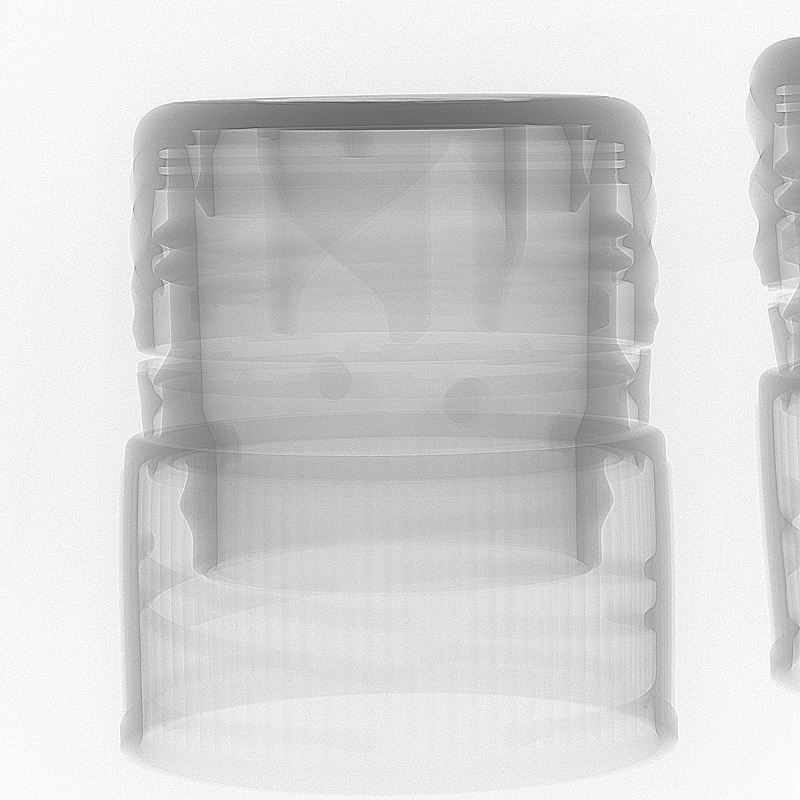
X-Ray Inspection for High-End Cosmetics like Lipsticks and Liquid Lip Tints & Plastic Packaging
Traditional inspection methods often rely on manual sampling or destructive unpacking. This is not only inefficient but also fails to cover every product leaving the factory. Especially for items with composite plastic and metal packaging, such as lipsticks and liquid lip tints, how to inspect the internal condition without opening, touching, or damaging the exterior has become an industry pain point. This is exactly where modern industrial X-ray inspection equipment comes into play. Leveraging the strong penetrative power and density resolution of X-rays, we can conduct a thorough “CT scan” of each product, examining it from the inside out.
View More
2025-12-19
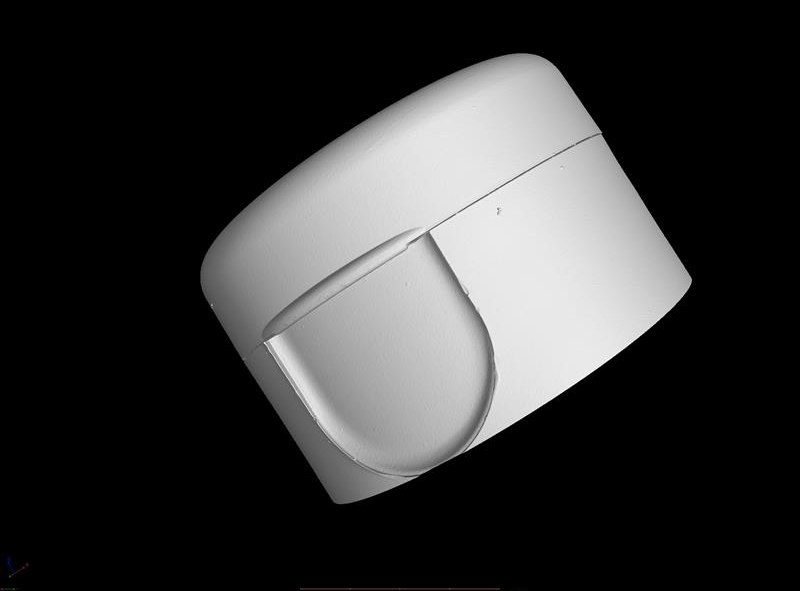
Why is industrial X-Ray computed tomography (CT) particularly well-suited for inspecting injection-molded parts?
Random sampling, prototyping, first article inspection (FAI), and mold geometry optimization each have distinct inspection objectives requiring different types of analysis. X-ray CT systems and high-quality standard X-ray solutions deliver a wide range of results.
View More
2025-12-17